
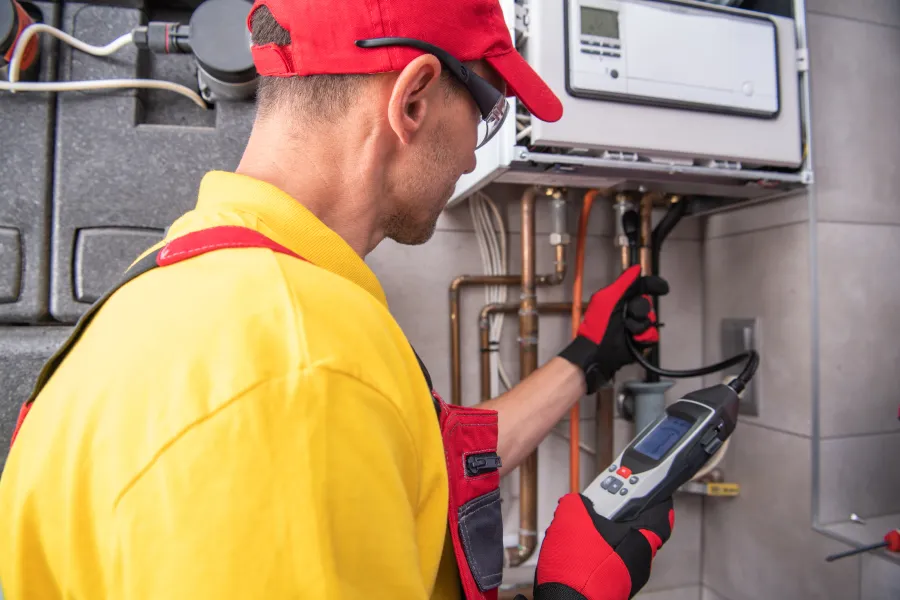
1. Delaying Professional Diagnosis
Ignoring Warning Signs Until Complete Failure
Many homeowners in Blue Springs wait until their furnace stops working completely before calling for service. This delay transforms minor issues into major failures that require expensive emergency repairs. Strange noises, inconsistent temperatures, or unusual odors signal problems that worsen over time. A rattling sound might indicate a loose component that will eventually damage surrounding parts. Ignoring these early warnings during Missouri’s cold months can leave your family without heat when temperatures drop below freezing. Professional technicians identify root causes before they escalate into system-wide breakdowns. Early intervention saves hundreds of dollars compared to emergency service calls and extensive component replacement. Regular diagnostic evaluations catch developing problems while they remain manageable and affordable to fix.
2. Attempting Complex DIY Repairs
Turning Simple Problems Into Expensive Disasters
Online tutorials make furnace work appear straightforward, but heating systems involve complex electrical connections, gas lines, and safety mechanisms that require specialized training. Homeowners who disconnect wiring without proper documentation create confusion for professional technicians later. Incorrect reassembly damages sensitive components and voids manufacturer warranties. Gas connections pose serious safety risks when handled improperly, potentially causing leaks or carbon monoxide exposure. One Blue Springs resident attempted to replace a circuit board and accidentally damaged the control module, turning a simple fix into a complete control system replacement. Certified technicians carry proper tools, understand system-specific configurations, and complete work according to safety codes. What starts as a cost-saving measure frequently results in doubled expenses when professionals must correct improper work. Basic maintenance like filter changes suits DIY efforts, but component replacement and electrical work require professional expertise.
3. Choosing Price Over Qualifications
Selecting Unqualified Technicians for Lower Rates
Budget-focused decisions often lead homeowners to hire unlicensed technicians offering suspiciously low prices. These individuals lack proper training, insurance coverage, and accountability for substandard work. Unqualified service providers misdiagnose problems, install incorrect parts, or apply temporary fixes that fail within weeks. Their work creates safety hazards and violates local building codes, potentially affecting home insurance coverage and resale value. One Kansas City area homeowner saved money initially but spent three times more correcting dangerous gas line work performed by an unlicensed contractor. Legitimate professionals invest in ongoing education, maintain proper licensing, and stand behind their work with warranties. Their higher rates reflect expertise, quality parts, and accountability that protect your investment. Verify credentials, check references, and confirm insurance coverage before hiring anyone to work on your furnace. The lowest bid rarely represents the best value when safety and long-term reliability matter.
4. Neglecting Regular Maintenance Schedules
Skipping Preventive Service Until Problems Emerge
Homeowners frequently skip annual maintenance visits, believing their furnace works fine without professional attention. This approach allows gradual deterioration that reduces efficiency and shortens equipment lifespan. Dust accumulation restricts airflow, forcing your system to work harder and consume more energy. Worn belts snap unexpectedly, leaving you without heat during Missouri’s coldest weeks. Dirty burners create incomplete combustion that wastes fuel and produces dangerous carbon monoxide. Regular maintenance identifies these developing issues before they cause breakdowns or safety hazards. Technicians clean critical components, test safety controls, and optimize system performance during scheduled visits. The modest cost of preventive service prevents expensive emergency calls and premature equipment replacement. Systems receiving annual maintenance last five to seven years longer than neglected units. Blue Springs experiences significant temperature swings between seasons, placing extra stress on furnaces that cycle frequently. Professional maintenance keeps your equipment running efficiently through these demanding conditions while reducing monthly utility bills.
5. Installing New Components While Underlying Problems Persist
Installing New Components While Underlying Problems Persist
Replacing a failed component without identifying why it failed guarantees repeated breakdowns and wasted money. A burnt-out blower motor might result from restricted airflow caused by clogged filters or blocked vents. Installing a new motor without correcting the airflow restriction causes the replacement to fail prematurely. Circuit boards burn out when electrical surges affect your home’s power supply, yet homeowners replace boards without addressing voltage irregularities. Pressure switches fail when condensate drains become blocked, but clearing the blockage receives less attention than switch replacement. Professional diagnostics examine the entire system to identify contributing factors that damage components. Technicians test airflow, measure electrical supply, inspect ductwork, and evaluate system balance before recommending repairs. This comprehensive approach fixes current problems while preventing future failures. Understanding your furnace as an integrated system rather than isolated parts saves money over time. When Dad’s Heating and Cooling evaluates your equipment, their technicians look beyond obvious symptoms to discover underlying causes. Their thorough approach ensures lasting solutions rather than temporary fixes that lead to repeated service calls. With experience serving Blue Springs and surrounding communities, they understand how local conditions affect equipment performance and apply solutions that address both immediate concerns and long-term reliability.
